
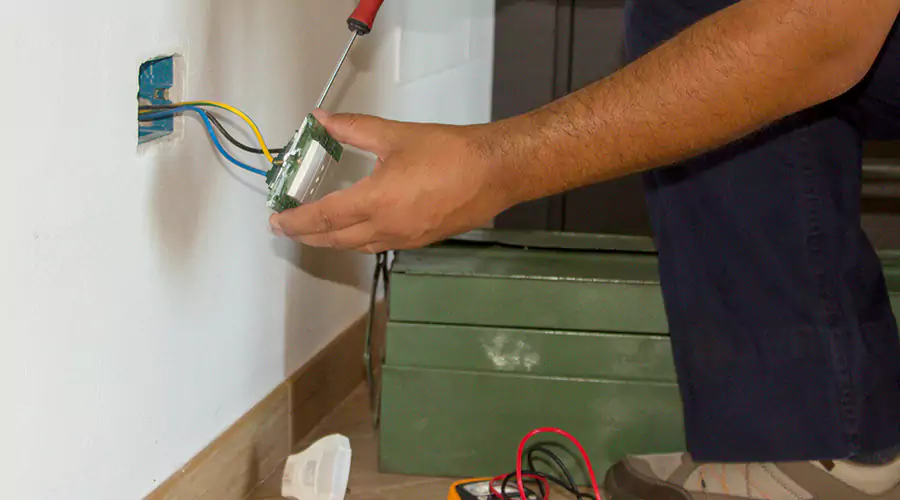
A backup generator powers your home during an outage and keeps critical systems running. It can support basic appliances or supply full home electricity based on size and setup. Standby generators start automatically while portable units require manual operation. The right system depends on your electrical load and fuel access. A licensed electrician ensures safe installation and code compliance which protects your home.
What a Backup Generator Does During a Power Outage
A backup generator supplies electricity when the utility grid fails. It connects to your electrical panel and sends power to selected circuits or the entire home.
This backup power keeps refrigerators running and prevents food loss. It also supports sump pumps which protect basements from flooding.
Why More Homeowners Are Installing Backup Power
Power outages are more common due to severe weather and grid strain. Homes now rely on more electronics which increases the impact of losing power.
A generator keeps heating and cooling systems working during outages. It also supports internet service which many people need for work.
Types of Backup Generators Explained Clearly
Homeowners can choose portable generators or standby systems. Each type serves a different purpose based on power needs.
Portable generators are smaller and easier to move. Standby generators are permanent and operate automatically when power fails.
Key Differences Between Generator Types
- Portable generators require manual startup
- Standby generators use automatic transfer switches
- Portable units run on gasoline or propane
- Standby systems connect to natural gas or propane
- Portable models power limited circuits
The best choice depends on how much power your home needs.
Whole House vs Partial Backup Systems
A whole house generator powers every circuit in your home. This option provides full comfort during outages. A partial system powers essential circuits only. This includes refrigerators and lighting and sump pumps. Whole house systems cost more but offer full coverage. Partial systems reduce cost while covering key needs.
How to Calculate the Right Generator Size
Generator sizing depends on total electrical load. Each appliance requires starting watts and running watts.
A small unit can power lights and a refrigerator. A larger system can handle air conditioning and electric water heaters.
Sample Wattage Guide
| Appliance | Watts |
|---|---|
| Refrigerator | 600 to 800 |
| Sump pump | 750 to 1500 |
| Furnace fan | 500 to 1200 |
| Central air | 2000 to 4000 |
| Lighting | 300 to 800 |
Fuel Types and How They Impact Performance
Generators use gasoline or propane or natural gas or diesel. Each fuel type affects storage and runtime.
Gasoline is easy to access yet it degrades over time. Propane burns clean and stores well for long periods. Natural gas provides a continuous supply through a utility line. Diesel supports high output for larger systems.
Fuel Selection Factors
- Fuel availability in your area
- Storage requirements for long outages
- Maintenance needs for each fuel type
- Runtime expectations during extended outages
Choosing the right fuel ensures reliable operation.
How Standby Generator Installation Works
Standby generator installation requires professional service. The unit is placed outside on a stable surface.
An automatic transfer switch connects the generator to your panel. This switch detects power loss and activates the generator. Proper placement ensures safe airflow and reduces noise. Local permits and inspections are required for compliance.
Understanding Transfer Switches and How They Work
A transfer switch controls how power moves between the grid and the generator. It prevents electricity from flowing back into utility lines.
Automatic transfer switches detect outages and switch power within seconds. Manual switches require homeowner action to activate. This component is critical for safety and proper generator function. It must be installed by a licensed electrician.
Maintenance Requirements for Long Term Reliability
Routine maintenance ensures your generator works when needed. Oil changes and filter checks prevent engine damage.
Testing the generator confirms it starts and runs under load. Standby systems often include automatic test cycles.
Maintenance Checklist
- Check engine oil regularly
- Replace air filters when dirty
- Test battery condition
- Run the system under load
- Inspect fuel lines for leaks
Following a maintenance plan extends equipment life.
Safety Guidelines Every Homeowner Should Follow
Generators produce carbon monoxide which is dangerous. Units must always operate outdoors at a safe distance.
Never connect a generator directly to your panel without a transfer switch. This can cause backfeeding which creates serious hazards.
Proper grounding protects your electrical system. A licensed electrician ensures safe setup and operation.
Cost Factors That Influence Your Investment
Generator cost depends on size and installation complexity. Portable units cost less but offer limited capacity. Standby systems require higher investment due to equipment and labor. Long term costs include fuel and maintenance.
Understanding these factors helps you choose a system that fits your budget.
Permits and Code Compliance in the United States
Generator installation must follow local electrical codes. Permits are often required before installation begins.
Inspections confirm the system meets safety standards. Code compliance ensures safe operation and avoids legal issues. A licensed electrician handles permits and ensures proper installation. This step protects your home and investment.
Understanding Home Generator Installation
Home generator installation begins with an evaluation of the property's electrical load to determine the appropriate generator size and system requirements. The assessment also considers the home's electrical panel, essential circuits, and overall power needs to support safe and reliable backup power.
Installation typically includes connecting the generator through a properly rated transfer switch and integrating it with the home's electrical system according to current national and local electrical codes. After installation, the system is tested to verify safe operation and dependable performance during power outages.
What to Expect During Generator Installation
- Accurate generator sizing based on load
- Safe installation with proper wiring
- Transfer switch setup for automatic operation
- Clear instructions for system use
- Final inspection and testing
This service ensures reliable backup power during outages.
When a Backup Generator is the Right Choice
A generator is valuable in areas with frequent outages. Homes with medical equipment or sump pumps benefit the most.
It also supports remote work and daily comfort during extended outages. Reliable backup power prevents disruption and protects your home.
Final Thoughts on Backup Generators
Backup generators provide essential power when the grid fails. Proper sizing and installation ensure safe performance.
Working with a licensed electrician helps you choose the right system. With the right setup your home stays powered and secure during outages.